
The Grinberg Method
The Grinberg Method is a holistic learning approach developed in the 1980s by Avi Grinberg. It uses somatic experience and body awareness to help you increase your well-being, develop self-awareness, and break free from negative habits and limitations.
Chronic physical tension, restricted breathing, and posture imbalances are rarely accidental. In the Grinberg Method, we view these patterns as active defensive habits: unconscious physical efforts your body learned over time to block uncomfortable emotions, boundary violations, or overwhelming experiences.
By recognizing these reactions as actions you are actively doing, you regain the power to stop them.

The principles of the method include:
- Body Awareness: Using bodywork techniques to guide clients in identifying areas of tension and physical restraint.
- Experiential Path: Experiencing bodily sensations and emotions directly rather than intellectualizing them so you are prepared when life tests you.
- Working with pain & discomfort: Instead of fighting or suppressing physical pain and intense sensations, we use them as direct sources of energy and focused attention. You learn to stay present through discomfort rather than contracting against it, transforming how your body processes stress.
- Self-Regulation: Learning to manage your physical state, reduce stress, and improve movement.
- Holistic Approach: Addressing physical limitations to positively impact emotional and mental well-being.
- Learning Process: Active participation where you learn to sense the body and act upon the truth of your sensations rather than receiving a passive treatment.
How a Session Works
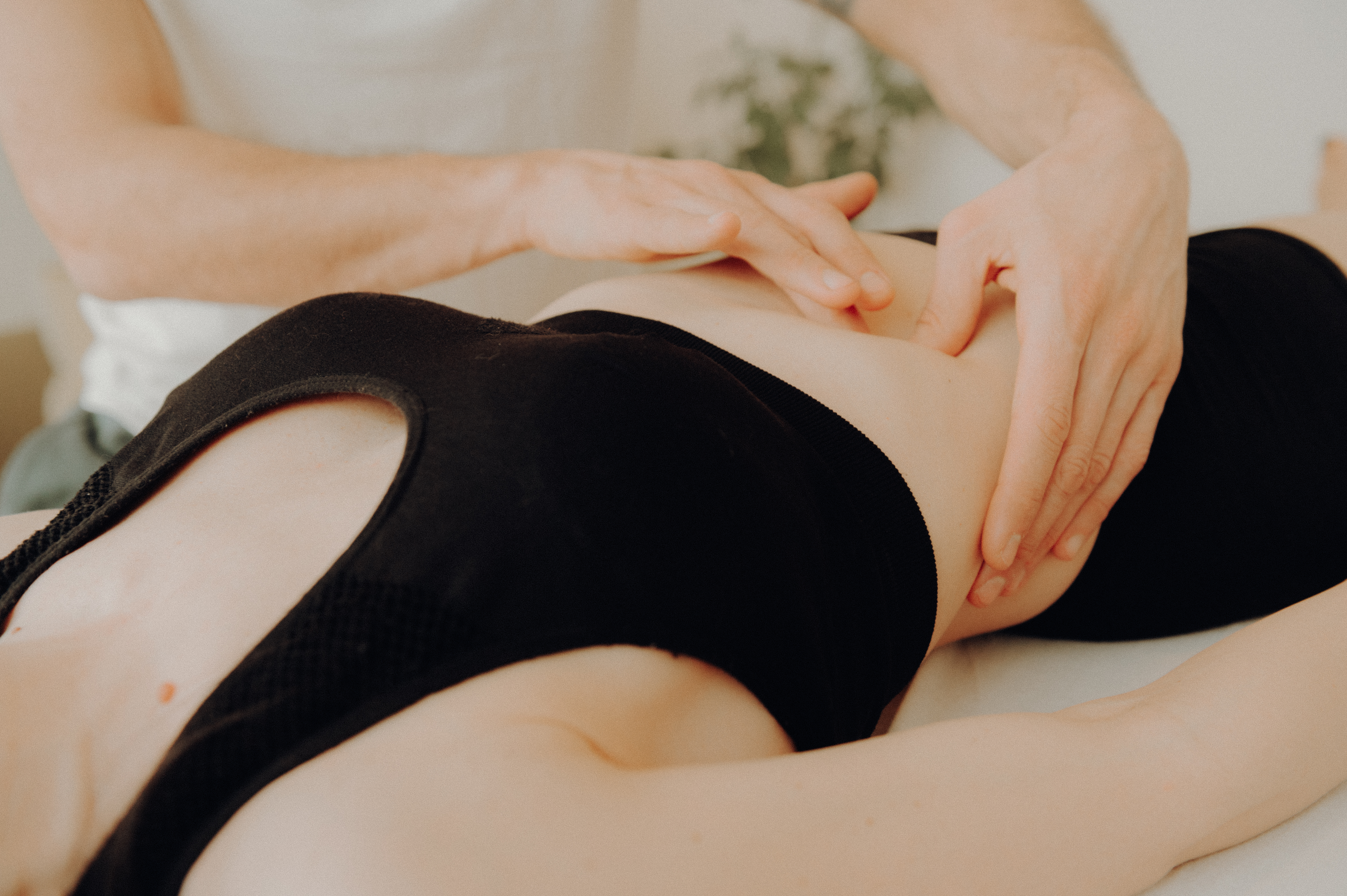
Each session begins with approximately 10 minutes of foot analysis through reflexology to assess physical and emotional well-being based on posture and imprints. The interactive bodywork follows, using touch and guidance to help you connect with your present moment and understand how certain patterns stand between you and your goals.
The Core Pillars
- Touch and focused attention: Guiding you to feel specific areas and experience sensations like tightness, warmth, or tingling.
- Touch as a mirror: Tactile feedback isn't used to fix or manipulate muscles, but to act as a precise mirror reflecting how you hold, contract, or defend your body in real time so you can choose to let it go.
- Breath: Using breath as a link to the present moment to influence energy levels and attention.
- Foot analysis: Assessing physical and emotional conditions through marks on the feet rather than mental interpretations.
- Stopping: Recognizing limiting physical patterns to stop them, relieve discomfort, and regain energy.
- Self-Discovery and Learning: Applying what you learn in sessions directly to daily life.
- Transferable autonomy: The goal of every session is independence. You don't just feel better on the table; you gain concrete physical skills to catch stress responses, manage triggers, and maintain physical clarity in your personal and professional daily life.
When we stop treating the body as an object to be analyzed or repaired, it becomes our most reliable anchor for presence. The process doesn’t change who you are; it strips away the physical defenses and chronic effort that hide your natural state. What remains is a quiet physical confidence and the vitality to engage fully with whatever comes your way.
Official Grinberg Method Website
Online Sessions
The pandemic widened horizons in terms of home activities. Work, learning, and training took on a dimension that is more intimate compared to the past, and online formats became far more common.
This opened up new possibilities, including receiving sessions from a home environment.
At the core of this work is body attention: sensing, feeling, and being aware of the body as a channel to be in the now, experience reality directly, and connect with who one truly is.
This can be practiced without physical touch as well, by staying closely involved with what the person experiences and using verbal instructions instead of hands-on contact to guide them in training body attention.
The workflow is the same as in a face-to-face session. It starts from what the person wants to achieve, and together they define what stands between them and the goal they want to pursue.
Neta and Valentino have been involved in this work from the beginning, and both are founding members of GMOS, a community of Grinberg practitioners working online and active since 2020.
Experience the Work in Person
Understanding how the body holds habits is only the first step.
Experiencing how touch and attention can shift those patterns happens through live, hands-on guidance.